Used Equipment Evaluation Service
Helping machinery dealers optimise returns when buying and selling machinery.




SALES. PARTS. SERVICE.
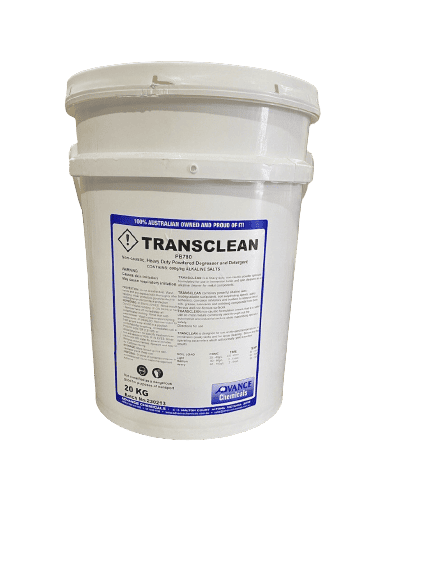
Since beginning in 1988, AMDS Trade & Industrial now services Agricultural Dealers & Mechanical Workshops and related industries throughout Australia & New Zealand. Based in the Riverina, we are dealers for AW, Prentice, Apollo, Jetwave, Pilot Air, FS Curtis, Guardair, ISS, Warthog, Ezivac, SAE, Transclean, Nerta, Chiefs & Suttner.
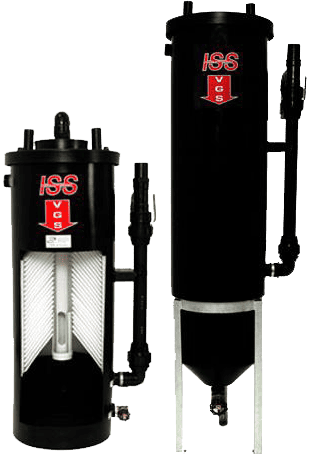
Our comprehensive product range includes PTO & engine dynamometers, automatic spray washers, agitating hot tanks, pressure cleaners, drain jetters, air compressors, oily water separators, sewer jetter nozzles, solvent sinks, pneumatic wetvacs, parts washer detergent & touchless cleaning chemicals.
Our products are backed up with an extensive range of spare parts, with an experienced team member always on hand to offer comprehensive technical and sales support across our entire product range.

OUR BRANDS


TESTIMONIALS